
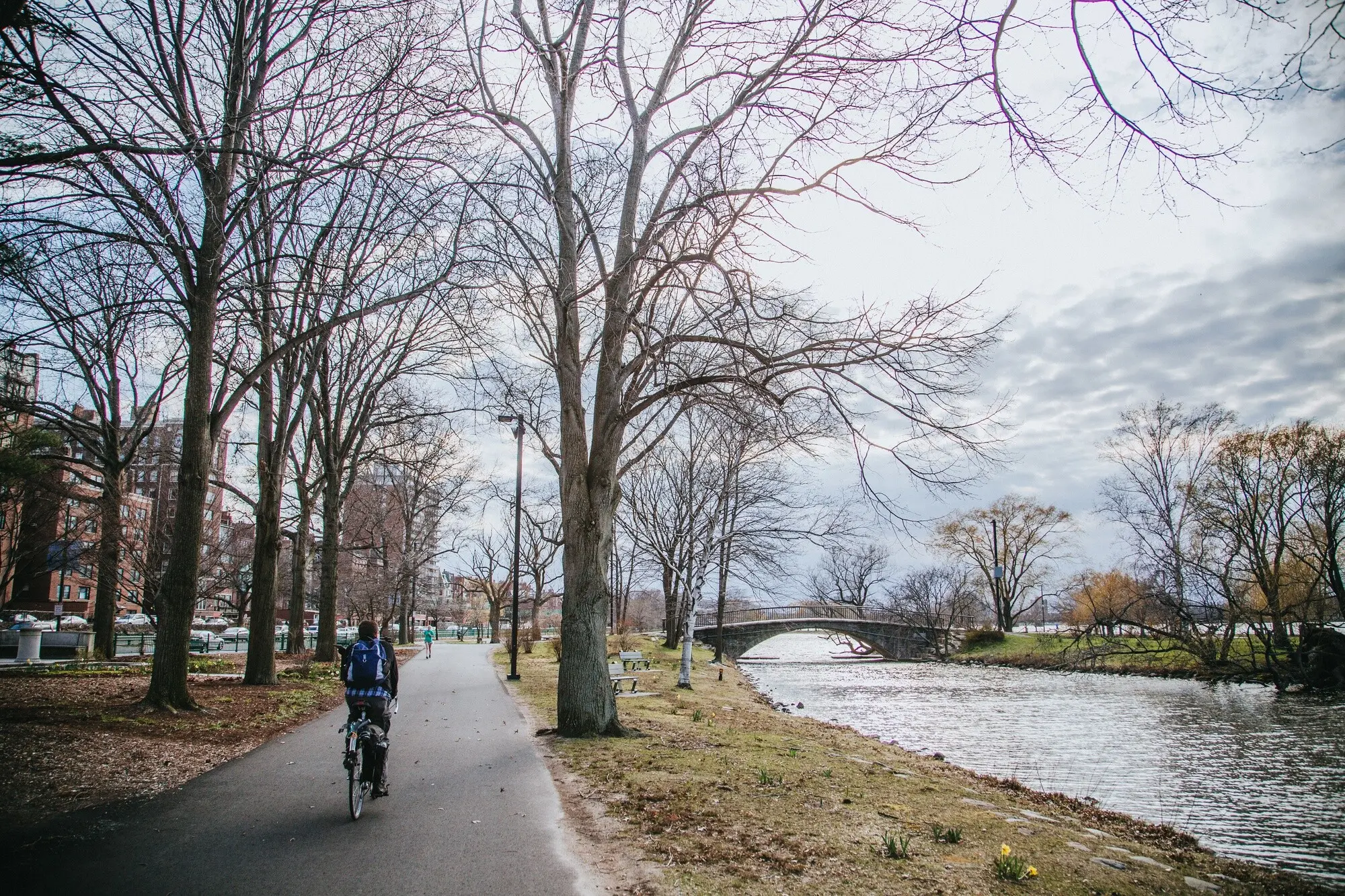
Ribbons of Resilience: Greenways That Hold Back Floods and Invite Play

Today we dive into designing multi-functional greenways for flood mitigation and recreation, weaving hydrology, ecology, and public life into corridors that store water safely, cleanse runoff, and spark daily joy. We’ll explore how floodable parks, connected trails, and living shorelines transform risk into opportunity, building civic pride and measurable protection. Share how high water touches your neighborhood and what activities would bring you outside more often; your lived insight guides the next resilient mile.

Start With Water: Reading the Basin Before Drawing a Line

Successful corridors begin with listening to the watershed—its flashy peaks, sluggish backwaters, and hidden culverts that concentrate risk. By pairing flow records, IDF curves, and model outputs with resident stories and photographs, designers locate storage, attenuation, and safe conveyance opportunities. This approach avoids expensive surprises and yields spaces that welcome puddles without panic. Comment with places you’ve seen flood first after storms; those clues often unlock pivotal design moves.

Hydrology Comes First

Before sketching paths, calibrate hydrologic and hydraulic models to recent storms, not just long-term averages. Understand baseflow, bankfull conditions, and likely debris loads that threaten structures. Translate design storms into target storage volumes and overtopping tolerances along the corridor. When neighbors share dates and depths, integrate that ground truth. Invite readers to drop exact street corners that pond, because those dots often map the smartest floodplain expansions.

Soils, Slopes, and Sun

Greenways succeed when soil infiltration rates, slope stability, and solar exposure inform every terrace and swale. Sandy reaches invite recharge gardens; clays prefer shallow, broad basins with robust overflow weirs. Gentle grades ease universal access while spreading flows thin. Map shade and heat to place rest stops and pollinator banks. Tell us where breezes feel strongest on summer evenings; comfort microclimates become beloved daily destinations after the waters recede.

Listening to Local Memory

One grandmother recalled chalk marks on a bridge piling from the 1987 flood, guiding our freeboard choice better than any spreadsheet. Another resident’s photo series revealed a rogue culvert jet carving a bank each spring. These memories refine cross-section geometry, plant selection, and maintenance access. Share your oldest flood story or precise high-water mark, and we’ll translate it into resilient dimensions, protective shelves, and safe overlook points that invite confidence.


Design Moves for Wet Days and Blue-Sky Days

The magic lies in landscapes that welcome weekend festivals and also host a hundred-year storm without drama. Floodable meadows, stepped terraces, and boardwalk spines create layered elevations for sport, strolling, and seasonal storage. Permeable plazas double as detention, courts become conveyance lanes, and artful outfalls oxygenate flows. What play spaces would you gladly share with rainwater for a few hours each year? Your priorities shape the everyday experience.

Ecology as Engineered Protection

Living systems slow, filter, and anchor flows while inviting birdsong and seasonal color. Deep-rooted natives boost infiltration and shear resistance, woody debris calms channels, and wetlands polish nutrients. Habitat corridors ride the same alignments as human trails, multiplying benefits across species. Thoughtful mosaics outcompete invasives and reduce mowing. What local species would you celebrate here? Your favorites become teachers on interpretive signs and guardians of banks during storm surges.
Layer sedges, rushes, and willows to create roughness that dissipates energy and traps sediment. Prairie mixes stabilize uplands, while floodplain forests shade cool riffles. Choose species tolerant of periodic inundation and summer drought. Avoid aggressive invaders that unravel function. Tell us which regional plants you trust to thrive after big rains; cherished flora foster community stewardship and turn monitoring walks into joyful, educational pilgrimages across seasons and storm cycles.
Use gentle berms, vegetated underpasses, and riparian thickets to guide wildlife beneath roads and along water. Continuous canopy ribbons help pollinators and migratory birds refuel safely. Night-friendly lighting preserves darkness corridors without compromising human security. Mark crossings that deserve improvement in your town; citizen sightings of turtles, foxes, or herons help us place microhabitat features precisely, delivering connected lifeways that also stabilize soils and subtly meter flood pulses.
Design for maintenance teams as core users. Provide armored access points, debris catchments upstream of bridges, and meadow zones with rotational mowing windows. Choose plant mixes that suppress weeds naturally. Publish seasonal tasks so volunteers can join confidently. Which weekends could your group adopt for planting, mulch repairs, or litter sweeps? Reliable, light-touch care preserves hydraulic performance and keeps spaces welcoming, even after the inevitable stick jams and muddy toes.

Access, Movement, and Joyful Everyday Use

A corridor only protects when people embrace it daily. Seamless connections to schools, transit, and neighborhoods invite commutes, strolls, and sunrise runs. Universal design widens participation and emergency egress. Wayfinding doubles as flood literacy, celebrating safe behaviors. Lighting, overlooks, and seating build comfort. Tell us where a missing ramp, crosswalk, or shade tree blocks your journey; those small stitches transform protection infrastructure into beloved, equitable civic space everyone proudly recommends.

People Power: Co-Creation, Programming, and Stewardship

Projects endure when communities shape them. Co-design sessions, story circles, and on-site prototypes reveal needs better than surveys alone. Programming—dawn bird walks, flood drills, night markets—keeps spaces lively and safe. Stewardship groups coordinate care between storms. Tell us what events, languages, or traditions should be centered here; co-authored calendars, rituals, and signage cultivate pride, accelerate reopening after floods, and pass down practical water wisdom across generations and neighborhoods.

Walkshops and Flood Walks

Invite residents to walk during light rain, noting puddle paths and slick spots. Chalk future terraces on asphalt, test temporary seating on likely high-ground nodes, and practice closure routes. Document kids’ ideas; they spot playful micro-topographies adults miss. Would you join a hands-on Saturday mapping stroll? Add your availability, and we’ll plan inclusive sessions that directly translate footprints and laughter into safer, more lovable flood-ready landscapes.

Programming That Builds Ownership

Layer weekly rituals—open-air classes, repair cafes, story slams—with seasonal festivals celebrating first blooms or receding waters. Partner with schools for monitoring, with artists for water marks, and with businesses for volunteer days. Suggest a program you’d happily lead or attend; when calendars reflect local energy, small inconveniences during storms feel shared and purposeful, transforming closures into communal care rather than frustrating interruptions nobody understands or supports.

Money, Policy, and Measurable Resilience

Durable greenways braid funding, align permits, and prove returns. Flood mitigation dollars pair with transportation, health, and habitat grants. Early agency coordination trims delays, while performance dashboards track storage delivered, crashes reduced, and visits gained. Climate projections guide adaptive phasing. Which benefits matter most to you—safer routes, cooler summers, lower insurance, birdsong? Your priorities inform metrics that keep investments accountable, attracting partners who help maintain excellence long after ribbon-cutting.

Braiding Funding With Benefits

Pursue complementary sources—hazard mitigation grants, transportation alternatives, urban forestry funds, and philanthropic health initiatives. Build a case that one linear investment reduces claims, expands mobility, and boosts local business. Share organizations you trust; coalition letters and matching commitments strengthen applications. Transparent budgets and co-benefit calculators invite confidence, ensuring dollars flow to features communities actually use and celebrate between storms, not just concrete hidden below high-water marks and spreadsheets.

Permitting Without Paralysis

Convene regulators early around shared goals: safer conveyance, restored habitat, and public access. Pre-negotiate design envelopes for terraces, outfalls, and boardwalks. Pilot small segments to validate assumptions and speed approvals. Tell us which agencies or utilities shape your corridor; mapping relationships clarifies coordination. Clear, visual submittals and joint site walks replace endless memos, keeping momentum steady while protecting sensitive species, cultural resources, and the communities who call the river home.