
Maps We Make Together: Waterways and Greenways in Your Hands

Choosing the Right Tools

Setting Clear Goals
Fieldwork on Foot, Bike, and Boat
Smartphone Accuracy and Best Practices
Safety and Stewardship in the Field
Documenting Water Quality and Habitat Clues
From Observations to Reliable GIS Data
Data Standards, Attributes, and Metadata
Use WGS84 (EPSG:4326) for collection, then reproject thoughtfully. Define fields for condition, material, width, bank stability, obstruction type, and photo links. Record who, when, and how collected. Publish a data dictionary so future contributors maintain compatibility and your lineage remains transparent over years.
Cleaning and Validating Your Map
Run topology checks for dangles, overshoots, and self-intersections. Snap trail lines to bridges, not across rivers. Merge duplicates, normalize capitalization, and archive raw inputs. Cross-reference aerial imagery and lidar where available. Invite a second reviewer to verify edits, reducing bias and accidental overconfidence.
Publishing and Sharing Responsibly
Open data accelerates change, but sensitive habitats and private easements deserve caution. Apply clear licenses, such as ODbL or CC BY. Generalize nesting sites, obscure endangered species, and anonymize contributor identities when risk exists. Provide contact details for takedown or update requests.

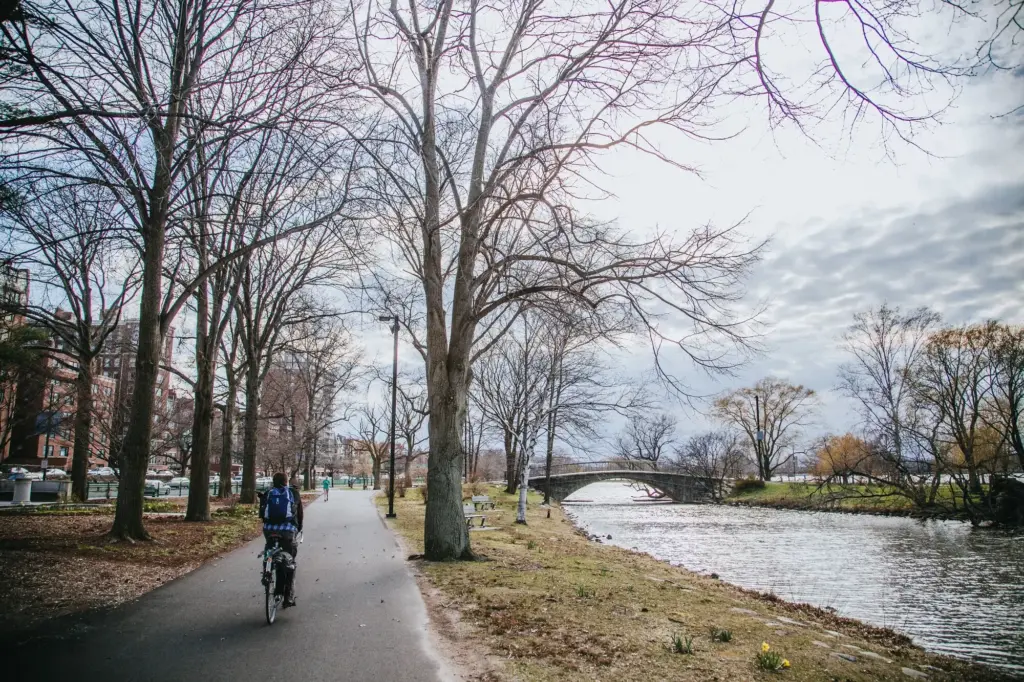
Storytelling Maps that Move People
Tracking Progress with Simple Metrics
Feedback Loops with Agencies and NGOs
Join In: Challenges, Events, and Next Steps
Monthly Micro-Mapping Sprints
Dedicate ninety minutes to one focused task: wayfinding photos, curb ramp checks near trails, or vegetation gaps along riparian stretches. Preload forms, meet at a safe trailhead, and debrief over tea. Small bursts accumulate, build confidence, and reveal patterns worthy of deeper study.
Community Walkshops and Ride-alongs
Blend hands-on training with neighborhood storytelling. Invite mobility advocates, floodplain experts, and artists to co-lead. Practice capturing hazards, amenities, and beauty, then discuss what equitable access could look like. Participants leave empowered, with installation-ready insights and friendships that outlast any single mapping day.
All Rights Reserved.